We begin with the windows.
They bring in the light, hold the view, offer privacy, soften a room's hard edges — and they're usually the largest unbroken opening in it. How you dress them changes a room more than almost anything else.
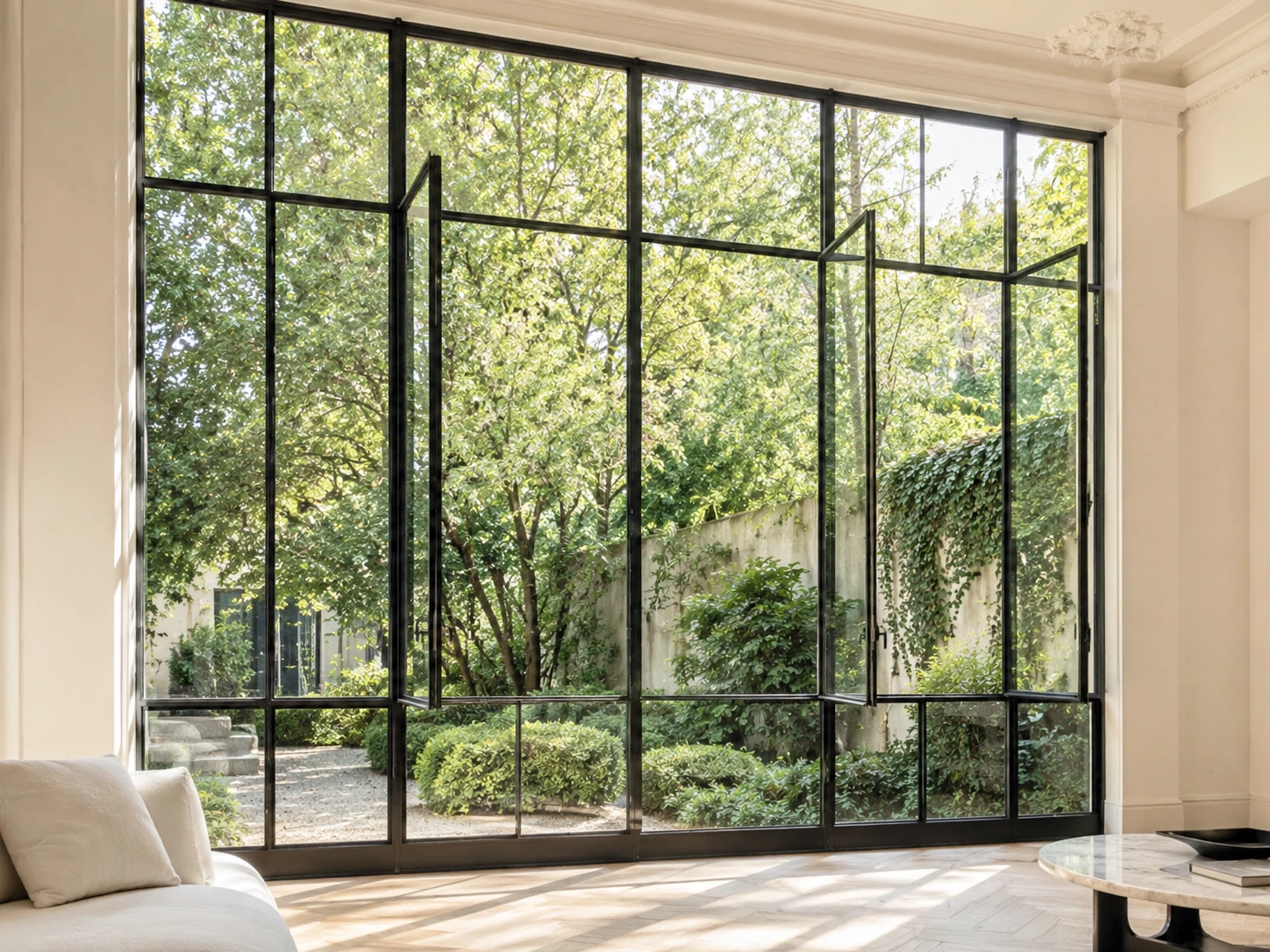
There isn't one way to dress a window. A room might ask for softness — light let in and spread rather than shut out. Another wants the dark of real sleep, or a screen watched without glare. Elsewhere it's privacy that matters, held onto without giving up the day. A window can be made to quiet down and nearly vanish; it can just as easily be pushed the other way, into something architectural — height, weight, a presence of its own. And often the work is neither look nor light but warmth and hush: heavy cloth against a cold pane, against the noise outside. Most windows ask for several of these at once — which is why the same window can be dressed more than one way, and why a single right answer is rare.

From here the window splits two ways: curtains and sheers, or blinds. The two overlap more than their names let on — a sheer can hang like a blind, a blind can be cut from sheer — so this isn't a choice to get right in advance, or on your own. Take whichever draws you, and we'll settle the fit at the window itself.
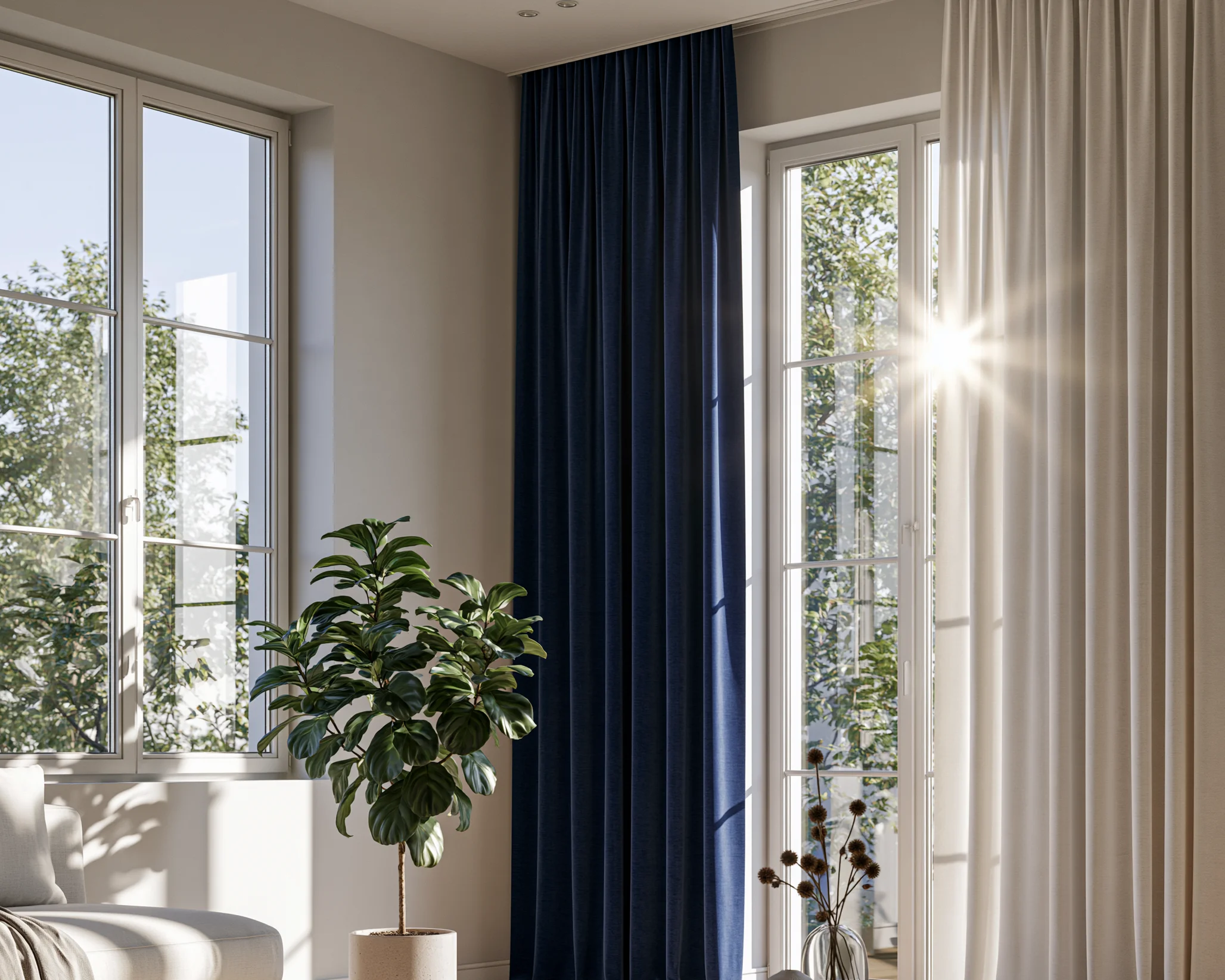
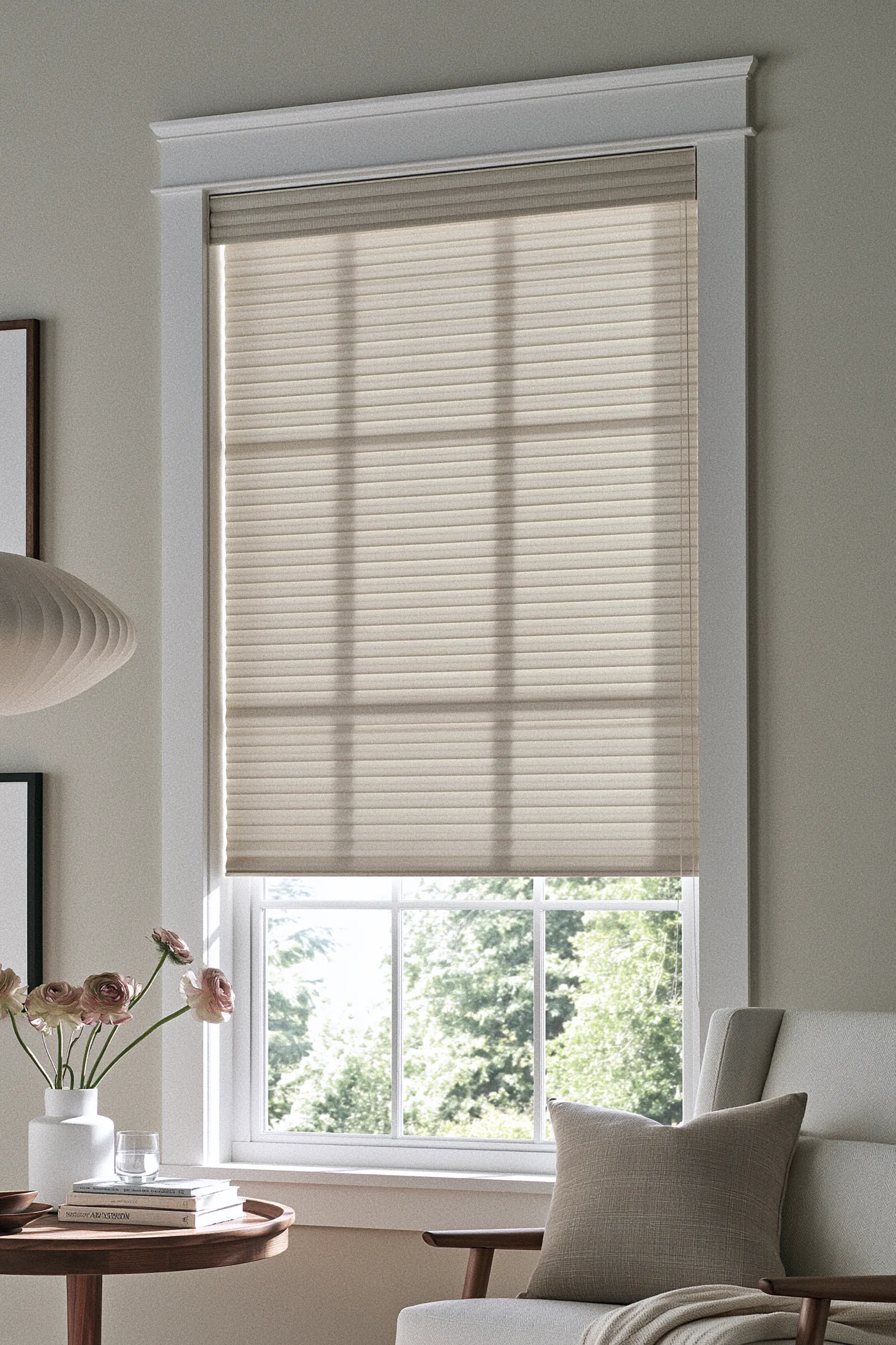
Not sure which is yours? That's usual — and it's the easy part to sort later.
None of this has to be solved at the window alone.
Tell us about yours, or let us come and see it — and we'll settle the fit together.